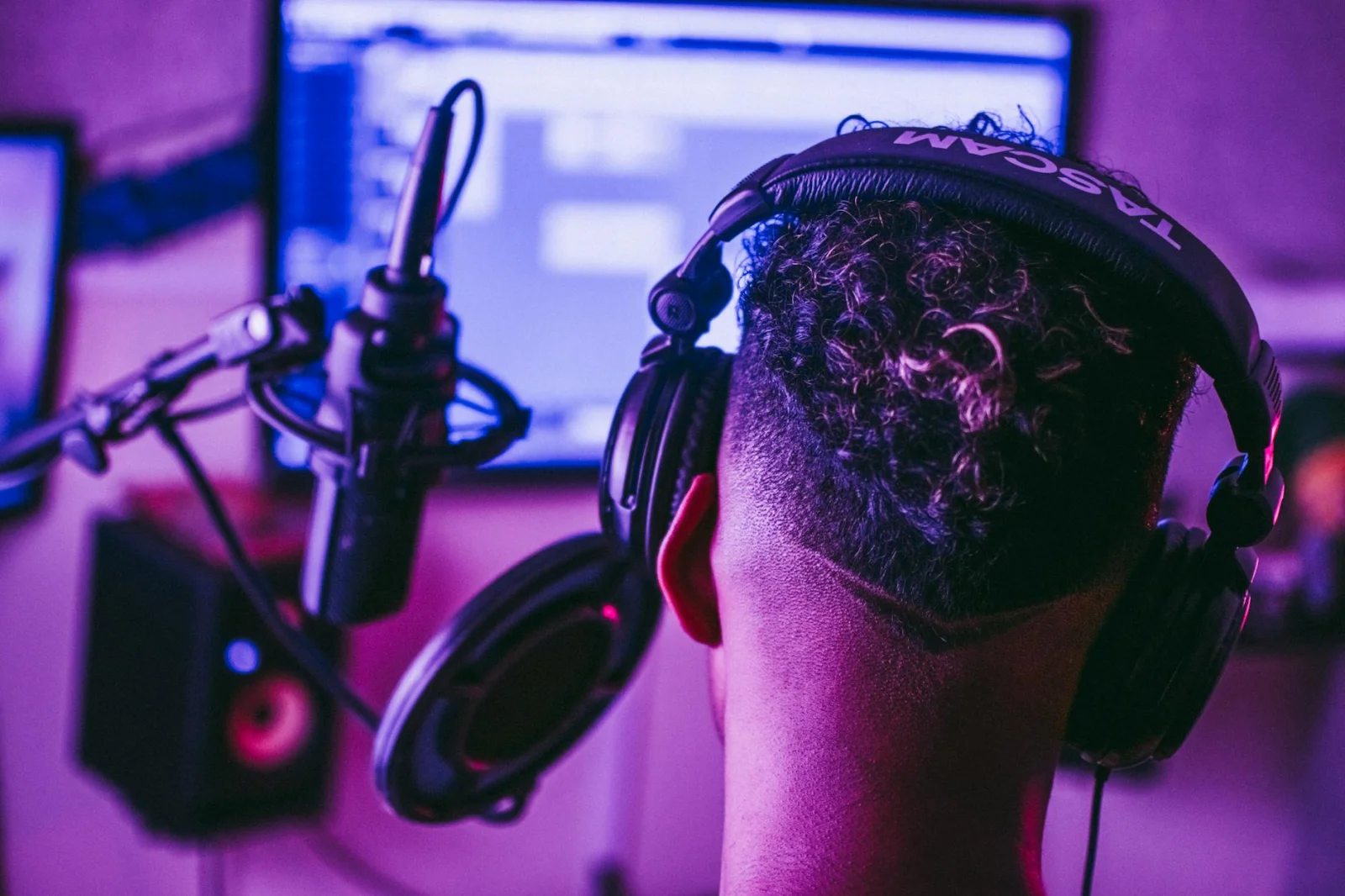
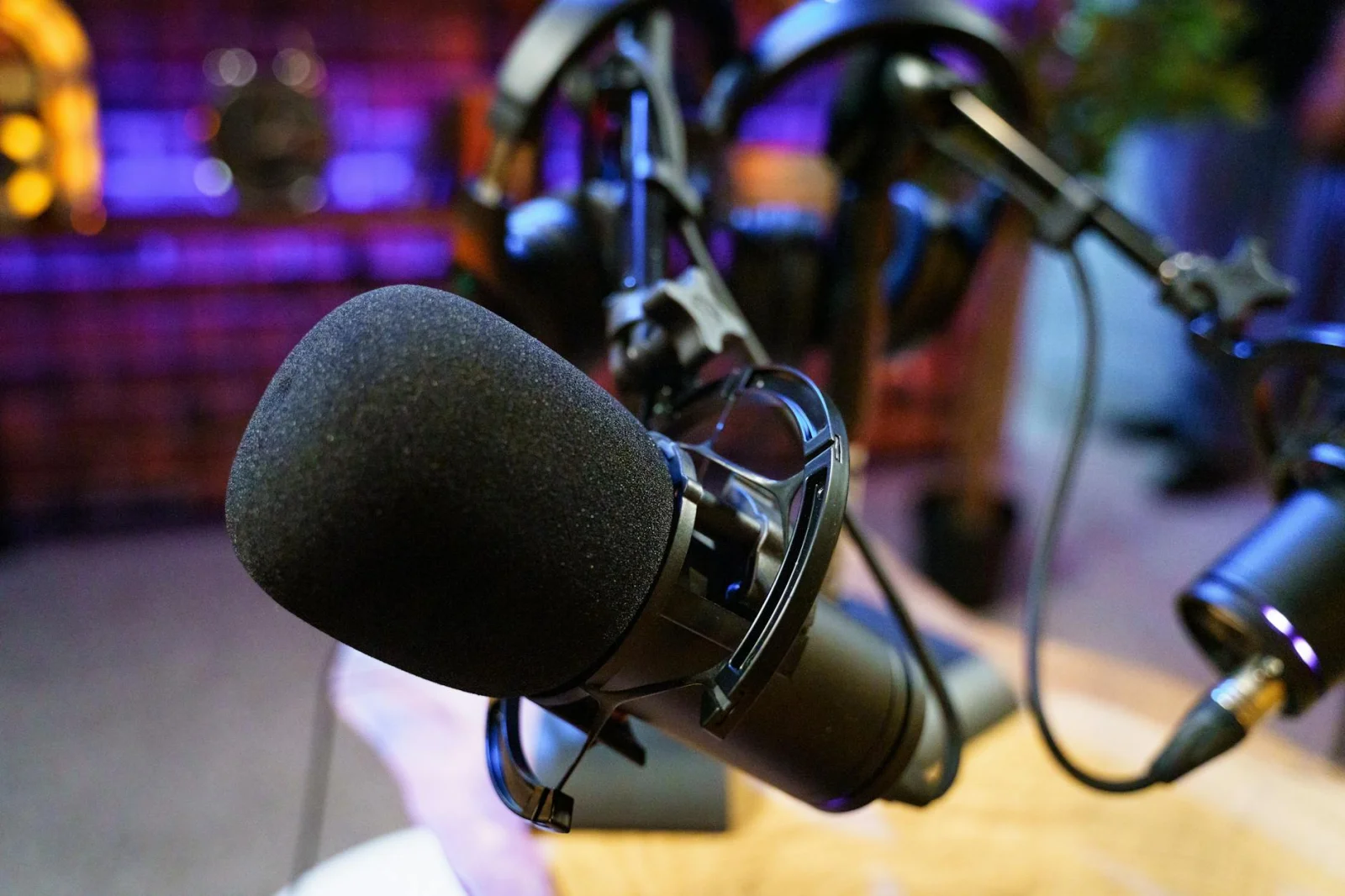
By 2026, "stereo-first" music marketing may start to feel as dated as banner ads with sound—at least according to current industry trajectory. Spatial audio is moving from a novelty mix to a default expectation, especially as headphones, cars, and streaming experiences normalize immersive playback.
BLUF: Spatial audio is becoming a standard layer of modern music production and audio advertising, and that shift is changing how brands launch artists, design experiences, and measure attention. CMOs who treat immersive sound as a production-and-distribution capability—not a one-off creative—can earn higher engagement, stronger recall, and more premium storytelling inventory, according to industry research.
Spatial audio is no longer experimental—adoption and performance are already measurable
Spatial audio (immersive 3D sound that places audio elements directionally around the listener) has crossed the line from "nice-to-have" to "expected" in premium listening contexts. The market signals are clear: as earwear and production tooling scale, immersive mixes are easier to produce and more likely to be consumed as intended.
On the advertiser side, implementation has accelerated fast. Industry research indicates spatial audio implementation among Fortune 500 advertisers has increased significantly since 2021, with brands using spatial audio reporting substantially higher engagement and improved message recall versus traditional formats. That combination—adoption plus lift—changes the risk calculus for marketing leaders.
Research Brief
Audience intelligence updates
The infrastructure is also expanding. According to market research projections, the global spatial audio earwear market is expected to reach approximately USD 3.3B in 2025 and grow to an estimated USD 11.8B by 2035 (representing a projected 13.4% CAGR), with in-ear earbuds/TWS capturing the majority of market share in 2025. Translation: the playback base is scaling, not shrinking—and your audience is increasingly "immersive-capable" by default.

Music production workflows are shifting: immersive mixing becomes a repeatable brand capability
Spatial audio is changing production workflows in ways that matter to marketing. A spatial mix isn't just "the same song, wider." It can change perceived intimacy, energy, and narrative sequencing—especially in headphones and in-car environments where directionality is most noticeable.
That's why the tooling ecosystem is growing quickly. According to industry projections, the spatial audio production tool market is forecast to grow from approximately USD 1.47B in 2024 to an estimated USD 4.28B by 2033 (a projected 13.2% CAGR). And the broader creation stack remains healthy: the digital audio workstation (DAW) market is projected at approximately USD 5.23B in 2025, reaching an estimated USD 7.51B by 2032 (a projected 5.3% CAGR), with music production representing a significant share in 2025.
For CMOs, the implication is operational, not artistic: treat spatial audio like a repeatable format (similar to vertical video). That means documented specs, QC checks on multiple devices, and clear rules for when a spatial mix is required versus optional.
One more signal: industry research suggests spatial audio rendering AI is growing rapidly—with projections indicating growth from approximately USD 1.99B in 2025 to an estimated USD 5.56B by 2029 (a projected 29.3% CAGR). As rendering and personalization mature, "one mix per track" may give way to adaptive mixes that respond to context—if brands build the capability now.
Why immersive sound captures attention differently: the "theatre of the mind" effect becomes programmable
Spatial audio doesn't just reach ears—it activates the imagination. Industry research highlights the "theatre of the mind" effect, where immersive sound boosts visualization and emotional connection in digital audio ads. That matters because attention is harder to buy than reach, and spatial audio is an attention-design tool.
Direction becomes a creative variable.
A car brand can place an engine approaching from behind and passing to the left, while cabin ambience stays stable—creating "presence" without adding a single word. Travel marketers can simulate a destination soundscape (street ambience, waves, footsteps) to move beyond description into felt experience. Research indicates automotive, travel, and entertainment are among the leading sectors using simulated product soundscapes for deeper immersion.
Memory encoding improves when the experience feels physical. The reported lifts in engagement and message recall align with that mechanism.
A real-world ecosystem proof point: major streaming platforms have introduced spatial audio support with immersive audio format compatibility, helping normalize immersive playback and creator workflows at mainstream scale. For marketers, this matters less as a platform story and more as a distribution reality: listeners increasingly encounter "immersive-ready" content without opting in.
Key Insight: Spatial audio isn't a "premium mix." It's a new attention format—one that can make audio ads and music storytelling feel experienced rather than merely heard.
The performance playbook: pair spatial creative with programmatic delivery and interactive moments
Spatial audio is most powerful when it's not isolated. Industry research notes that immersive audio is increasingly paired with programmatic buying, dynamic ad insertion, and interactive elements like QR-coded playlists to amplify emotional resonance. That combination turns spatial from a "wow" into a measurable funnel component.
Forecasts reinforce the direction of travel. According to industry projections, a significant majority of digital audio advertising solutions are expected to incorporate immersive trends in 2025, alongside AI personalization and contextual targeting. Treat that as a planning assumption: the buying layer is catching up to the creative layer.
Practical testing strategies CMOs can operationalize this quarter:
- Run controlled tests where only
spatializationchanges (same script, same voice, same offer) to isolate lift. - Use sequential messaging: immersive first to earn attention, then a shorter direct-response follow-up to convert.
- Define conversions beyond clicks:
save-to-library,playlist add,QR scans, andlisten-through rateoften map better to audio intent than last-click.
If you need a market confidence check, industry research also cites regional momentum: the U.S. 3D audio market is projected to grow at an estimated 16.9% CAGR from 2025–2033, driven by music streaming and gaming. That kind of growth tends to standardize buyer expectations quickly—especially in categories where sound is already part of the product experience.
Key Takeaways:
- Operationalize spatial audio as a repeatable format with specs, QA, and clear "when-to-use" rules—not a one-off remix.
- Design creative around directionality (movement, proximity, environment) to activate the "theatre of the mind" effect cited in industry research.
- Test spatial ads with programmatic delivery and measurable interaction points (e.g.,
QR playlists,saves,listen-through) to connect immersion to outcomes.
Stereo won't disappear—but "stereo-only" may start to feel like leaving performance on the table as immersive playback becomes standard. The brands that win won't be the ones with the most spatial mixes; they'll be the ones with the clearest system for producing, distributing, and measuring immersive sound at scale.
If spatial audio is becoming a default listening mode, what would it take for your team to treat immersive sound the way you treat video formats—planned, repeatable, and performance-accountable?